The Complete First-Time Home Buyer's Guide for the Greater Toronto Area (2026)
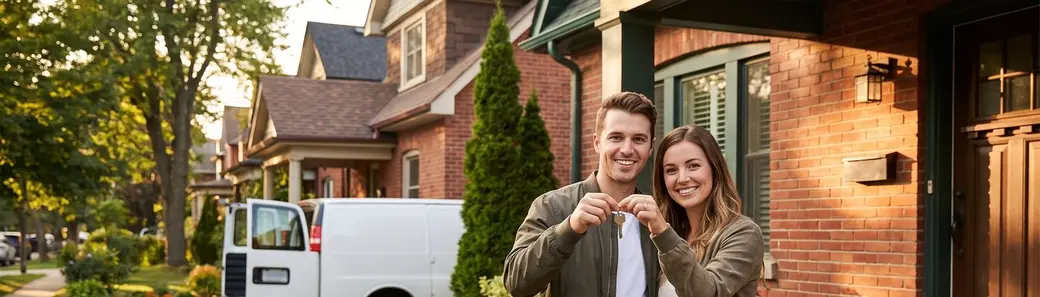
Buying your first home in the Greater Toronto Area is one of the most significant financial decisions you'll ever make and one of the most rewarding. The GTA is one of the most dynamic real estate markets in North America, and while the headlines often focus on prices, the real story is that with the right preparation, strategy, and support, first-time buyers can and do enter this market every single week.
This guide covers everything you need to know, from understanding how much you can afford to picking up your keys on closing day. Whether you're just starting to think about buying or ready to make your move, this is your step-by-step roadmap.
What First-Time Buyers Need to Know About the GTA Market in 2026
The GTA stretches across a diverse landscape of communities, from the urban core to thriving suburban cities, each offering different price points, lifestyles, and investment potential. One of the most important decisions a first-time buyer can make is widening their search area. Many buyers fixated on one neighbourhood or city often discover significantly better value, more space, newer builds, and better long-term appreciation by exploring the broader GTA.
Your buyer's agent should be able to show you a comparative picture across communities so you can make an informed decision about where your dollar works hardest. Location is important, but flexibility can be your biggest financial advantage as a first-time buyer.
Step 1 - Know What You Can Actually Afford
Before you look at a single listing, you need a clear picture of your numbers. The Canadian mortgage stress test requires you to qualify at either the Bank of Canada's qualifying rate or your contract rate plus 2%, whichever is higher. In practical terms, this means you need to demonstrate you can handle a higher payment than what you'll actually make each month.
A general affordability guideline in Canada:
- Your total monthly housing costs (mortgage, property taxes, heat) should not exceed 32% of your gross monthly income; this is your Gross Debt Service (GDS) ratio
- Your total debt load, including car loans and credit cards, should stay under 44% of your Total Debt Service (TDS) ratio
Run your numbers with a licensed mortgage broker before assuming what you qualify for. Brokers have access to dozens of lenders and can find better rates and terms than going directly to a bank.
Step 2 - Maximize the First Home Savings Account (FHSA)
The First Home Savings Account (FHSA) is the most powerful savings tool available to Canadian first-time buyers right now. If you haven't opened one, that's your first action item after finishing this guide.
How the FHSA works:
- Contribute up to $8,000 per year, with a lifetime limit of $40,000
- Contributions are tax-deductible; they reduce your taxable income for the year
- Qualifying withdrawals for a first home are completely tax-free
- Unused contribution room carries forward one year
You can combine your FHSA with the RRSP Home Buyers' Plan (HBP), which lets you withdraw up to $35,000 from your RRSP tax-free for a first home purchase. Together, that's up to $75,000 in tax-advantaged down payment funds, a major advantage for accelerating your entry into the GTA market.
Step 3 - The Ontario Land Transfer Tax Rebate
One of the biggest surprises for GTA first-time buyers is the Ontario Land Transfer Tax (LTT). When you purchase a property, you pay a percentage of the purchase price to the province, and if you're buying within the City of Toronto, you pay an additional Municipal Land Transfer Tax on top of that.
Ontario offers first-time buyers a provincial LTT rebate of up to $4,000. Toronto buyers can additionally claim a municipal LTT rebate of up to $4,475. These rebates can significantly reduce your closing costs, so make sure your real estate lawyer applies to both that you're eligible for.
Your total land transfer tax will depend on your purchase price and municipality. Ask your agent to run the numbers for any property you're seriously considering.
Step 4 - Get a Full Mortgage Pre-Approval
There's an important difference between mortgage pre-qualification and pre-approval. Pre-qualification is a rough estimate. Pre-approval involves submitting your actual financial documents and receiving a conditional commitment from a lender for a specific amount at a specific rate, typically held for 90 to 120 days.
In the GTA market, sellers take pre-approved buyers far more seriously. It signals you're ready to move and removes uncertainty from the transaction.
Documents you'll need for pre-approval:
- Two most recent years of T4s and Notices of Assessment (NOAs)
- Most recent pay stubs (last 30 days)
- Three to six months of bank and investment statements
- Proof of down payment source (FHSA, RRSP, savings)
- Government-issued ID
Step 5 - Hire a Buyer's Agent (It Costs You Nothing)
Many first-time buyers don't realize that working with a buyer's agent comes at no cost to them. In Ontario, the buyer's agent commission is offered by the seller as part of the listing agreement. You get professional representation, negotiation expertise, and full MLS access, without paying a cent out of pocket.
Your buyer's agent will identify suitable properties, schedule showings, draft and negotiate offers, recommend home inspectors and real estate lawyers, and guide you through every step until closing. The key is choosing an agent with genuine experience in the areas you're considering and a track record of getting first-time buyers into the market successfully.
Step 6 - Budget for the Hidden Closing Costs
Your down payment is just the start. Budget for these additional costs:
- Home Inspection: $400–$600. Never waive this unless your agent strongly advises it in a specific competitive situation.
- Legal Fees: $1,500–$2,500, including disbursements
- Title Insurance: $200–$400 one-time, protects against title fraud and undisclosed defects
- Ontario Land Transfer Tax (after your first-time buyer rebate)
- CMHC Mortgage Insurance: Required on down payments under 20%. This is added to your mortgage principal; on a $750,000 home with 5% down, expect approximately $28,500 in CMHC premiums.
- Property Tax Adjustment: You may reimburse the seller for prepaid taxes
- Moving Costs: $1,500–$5,000
- Initial Setup Costs: Appliances, window coverings, maintenance items, budget $3,000-$5,000
A safe rule: plan for 1.5% to 4% of the purchase price in closing costs on top of your down payment.
Step 7 - Making an Offer and Closing
When you find the right home, your agent will prepare an Agreement of Purchase and Sale (APS). This legally binding document includes the purchase price, deposit amount, proposed closing date, and any conditions you want included.
Common conditions for first-time buyers:
- Condition of Financing: Gives you typically 3 to 5 business days to confirm your mortgage is fully approved
- Condition of Inspection: Gives you the right to walk away or renegotiate if the home inspection reveals serious issues
In competitive multi-offer situations, some buyers choose to waive conditions to strengthen their offer. This is a calculated risk your agent can help you evaluate. Once your offer is accepted, your lawyer takes over, conducting a title search, confirming the mortgage, and preparing for the transfer of ownership. On closing day, your lawyer manages the fund transfers, and you receive your keys.
First-Time Buyer Action Plan
- Open your FHSA today and start contributing immediately
- Pull your credit report and address any outstanding issues
- Connect with a mortgage broker to start your pre-approval
- Hire an experienced buyer's agent in your target area
- Set MLS alerts for your target price range across multiple communities
- Attend open houses to calibrate your expectations and taste
- When the right property appears, be ready to act
The GTA rewards prepared, decisive buyers. The more you understand the process before you start, the more confident you'll be when it counts. Ready to take the first step? Reach out today and let's build your personalized home buying strategy.
Categories
Recent Posts